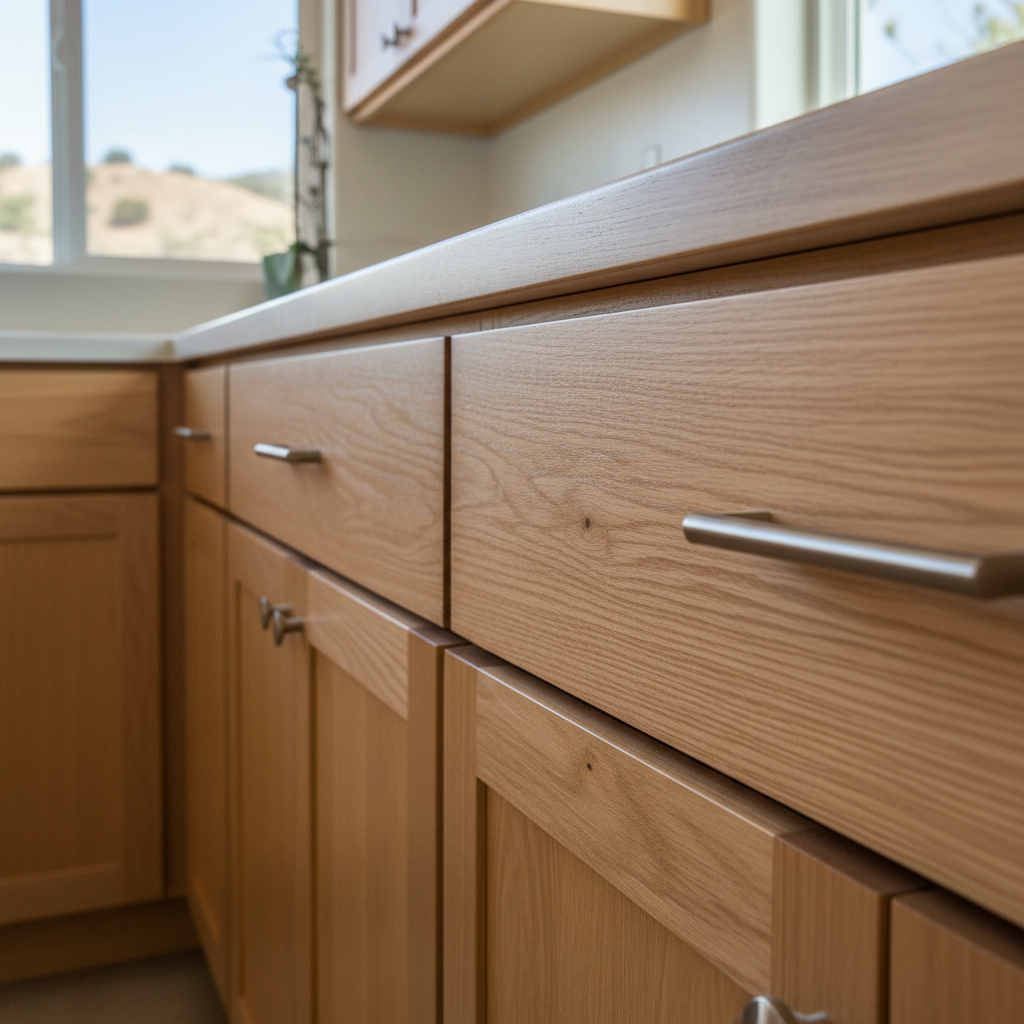
Thinking of installing your own kitchen cabinets?
It's a big job, no doubt about it. I've seen plenty of folks here in Santa Clarita try to save a buck by doing their own cabinet install, and sometimes it works out great. Other times, well, let's just say they end up calling me at Top Notch Kitchen Remodeler to fix a mess. So, let's talk about what you need to know before, during, and after, and when it’s truly a DIY project versus when you should just pick up the phone.
Before You Even Think About Tools
First things first: planning. You can't just wing this. You need precise measurements. And I mean precise. Measure your walls multiple times, check for plumb and level. Your walls might not be perfectly straight, especially in some of the older Canyon Country homes, and you need to account for that. Are you keeping your existing flooring or getting new? That changes your cabinet height. What about appliances? Make sure your new cabinets will fit around your fridge, stove, and dishwasher without any awkward gaps or tight squeezes.
Then there’s cabinet selection. Are you going with RTA (ready-to-assemble) cabinets, or pre-assembled? RTA can save you money, but they add a whole other layer of assembly work before you even get to installation. Pre-assembled cabinets are quicker to install but cost more upfront. Think about your layout too. Do you want uppers, lowers, an island? Draw it out, even use painter's tape on the floor to visualize the space.
And don't forget utilities. Where are your plumbing lines for the sink? Electrical outlets for under-cabinet lighting or appliances? You might need to move these, and that's usually a job for a licensed plumber or electrician, not a DIY weekend warrior.
The Installation Process: Where DIY Gets Tricky
Okay, you've got your cabinets, your plans, and your tools. Now what? Here’s where things can get complicated quickly.
- Demo: If you're ripping out old cabinets, that's pretty straightforward. Just be careful not to damage walls or plumbing.
- Layout: Mark your stud locations and draw a level line on the wall where the bottom of your upper cabinets will sit. This is critical. If your first cabinet is off, every single one after it will be off too. A good laser level is your best friend here.
- Hanging Uppers First: Most pros hang upper cabinets before lowers. Why? It gives you room to work without bending over existing base cabinets, and it's easier to ensure everything lines up correctly. You'll need a helper, maybe even two, for this. Those upper cabinets can be heavy and awkward.
- Securing Cabinets: You're going to screw these into wall studs. Use long enough screws to get a good bite. Don't rely on drywall anchors for heavy cabinets. You'll also need to clamp cabinets together before screwing them to each other to ensure a tight, seamless fit.
- Leveling Lowers: Base cabinets need to be perfectly level, both front-to-back and side-to-side. This is where shims come in. You'll be surprised how many shims you might need, especially if your floor isn't perfectly flat, which is common in older homes.
One common mistake I see? People rush the leveling. If your cabinets aren't perfectly level and plumb, your countertops won't sit right, your doors won't close properly, and you'll have headaches down the line. It's tedious, but absolutely essential.
When to Call a Pro (Like Us at Top Notch Kitchen Remodeler)
Look, I'm all for saving money and tackling projects yourself. But there are times when calling in the pros just makes sense. Here's when I'd say it's worth it:
- Complex Layouts: If you're dealing with an L-shape, a U-shape, or an island that requires precise cuts and custom panels, a pro will get it right the first time.
- High-End Cabinets: If you've invested a lot in custom or semi-custom cabinets, you don't want to risk damaging them during installation. The cost of a pro is often less than replacing a damaged cabinet.
- Time Constraints: Do you have a deadline? Cabinet installation can take days, even weeks, for a DIYer. A professional team can often get it done in a fraction of the time.
- Lack of Tools or Experience: If you don't own a good laser level, clamps, a miter saw, or a stud finder, you're going to spend a lot just buying tools. And if you've never done anything like this before, the learning curve can be steep.
- Structural Issues: If your walls aren't straight, if you need to move plumbing or electrical, or if you're dealing with any kind of structural modification, call a professional. It's safer and ensures everything is up to code.
Even if you plan to do some of the work yourself, consider hiring a pro for the trickiest parts, like hanging the upper cabinets or ensuring everything is perfectly level before you commit to screwing things in. It’s better to pay for expertise where it counts than to live with crooked cabinets or worse, have them fall off the wall.
After the Install: Finishing Touches
Once your cabinets are in, you'll need to install doors and drawers. This is usually pretty straightforward, but take your time to adjust them so they're perfectly aligned. Then comes trim, fillers, and toe kicks. These pieces hide any gaps and give your kitchen a finished, polished look. Caulking and painting (if your cabinets aren't pre-finished) are the final steps.
Installing kitchen cabinets can be a rewarding project, but it's not for the faint of heart. Be honest with yourself about your skills, your time, and your patience. Sometimes, the smart move is to let someone who does this every day handle it. You'll be happier with the results, and you'll get to enjoy your new kitchen sooner.